Overview
Recent intelligence has highlighted a sophisticated macOS malvertising campaign linked to North Korean threat actors, specifically associated with the long-running Contagious Interview operation. This campaign employs deceptive tactics to redirect users to fake update screens, ultimately delivering malware designed to steal cryptocurrency. The attack's complexity underscores the evolving threat landscape and the need for heightened vigilance among security teams.
Technical Analysis
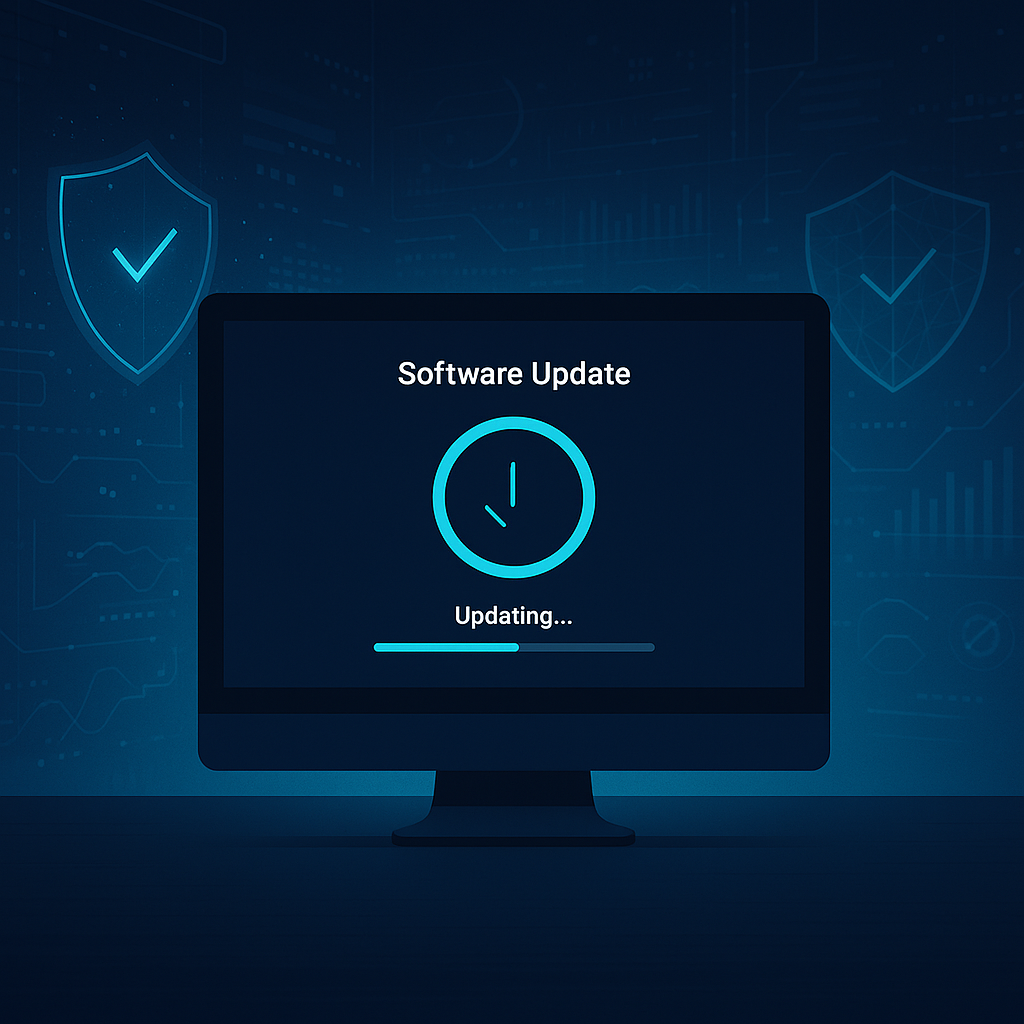
The malvertising campaign leverages a technique known as "ClickFix," where users are presented with a full-screen fake macOS software update screen. This screen is designed to induce panic, making users believe their system is frozen or rebooting. In this state, users are prompted to execute a command in the Terminal app, which has been stealthily copied to their clipboard.
Notably, the malware utilizes blockchain technology for its command-and-control (C2) infrastructure, extracting server addresses from Ethereum smart contracts. This method, referred to as EtherHiding, enhances the malware's resilience against takedown efforts.
Affected Systems
The primary target of this campaign is macOS systems. Given the nature of the attack, any macOS version that allows users to execute commands in the Terminal could potentially be affected. Organizations utilizing macOS devices, particularly those in sectors dealing with sensitive data or cryptocurrency, should be particularly cautious.
Attack Method / Threat Activity
The attack begins when a user clicks on a sponsored search result, which appears benign. For instance, a victim searching for electrophoresis machines was redirected to a malicious site. Upon loading, the site displays a fake macOS reboot message, creating an illusion of a necessary update.
Once the user is lured into this sequence, the fake page instructs them to open Terminal and paste a command that fetches additional malware payloads. This command initiates a Node.js backdoor, which establishes persistence through a LaunchAgent and regularly checks in with the C2 server every five minutes to execute any JavaScript code returned.
Detection Opportunities
📬 Stay ahead of the threat
Get the latest SOC guides, threat intel, and detection engineering — straight to your inbox.
To detect this type of attack, organizations should implement the following strategies:
- SIEM Monitoring: Configure Security Information and Event Management (SIEM) systems to log and analyze Terminal commands executed on macOS devices. Look for unusual curl commands fetching external resources.
- Threat Hunting: Conduct proactive threat hunting to identify signs of unauthorized software installations or unusual network traffic patterns indicative of C2 communications.
- Web Filtering: Utilize web filtering solutions to block access to known malicious domains and prevent users from landing on compromised sites.
Mitigation Recommendations
Organizations can adopt several measures to mitigate the risks associated with this campaign:
- User Education: Train employees to recognize suspicious behavior, particularly regarding software updates and prompts to execute commands in Terminal.
- Endpoint Protection: Deploy advanced endpoint protection solutions that can detect and block malicious scripts and unauthorized command executions.
- Regular Updates: Ensure that all macOS systems are regularly updated with the latest security patches to minimize vulnerabilities.
- Clipboard Monitoring: Implement solutions that monitor clipboard activities, alerting users to potential unauthorized commands being copied.
Business Impact
The implications of this campaign extend beyond technical concerns. Organizations that fall victim to such attacks may face significant financial losses, reputational damage, and legal ramifications, particularly if sensitive data is compromised. The theft of cryptocurrency can lead to direct financial loss, while the presence of malware can disrupt business operations and erode customer trust.
Final Summary
The DPRK-linked macOS malvertising campaign exemplifies the evolving tactics employed by threat actors to exploit user behavior and system vulnerabilities. By understanding the attack methods and implementing robust detection and mitigation strategies, organizations can better protect themselves against these sophisticated threats. Continuous education, proactive monitoring, and advanced security measures are essential in safeguarding against such malicious activities.